Food quality and hygiene
Food quality and hygiene at the Croydon branch
Pizza is a simple product made from simple ingredients, so the outcome depends almost entirely on process. This page covers how that works at our High Street kitchen.
What fresh means in a pizza kitchen
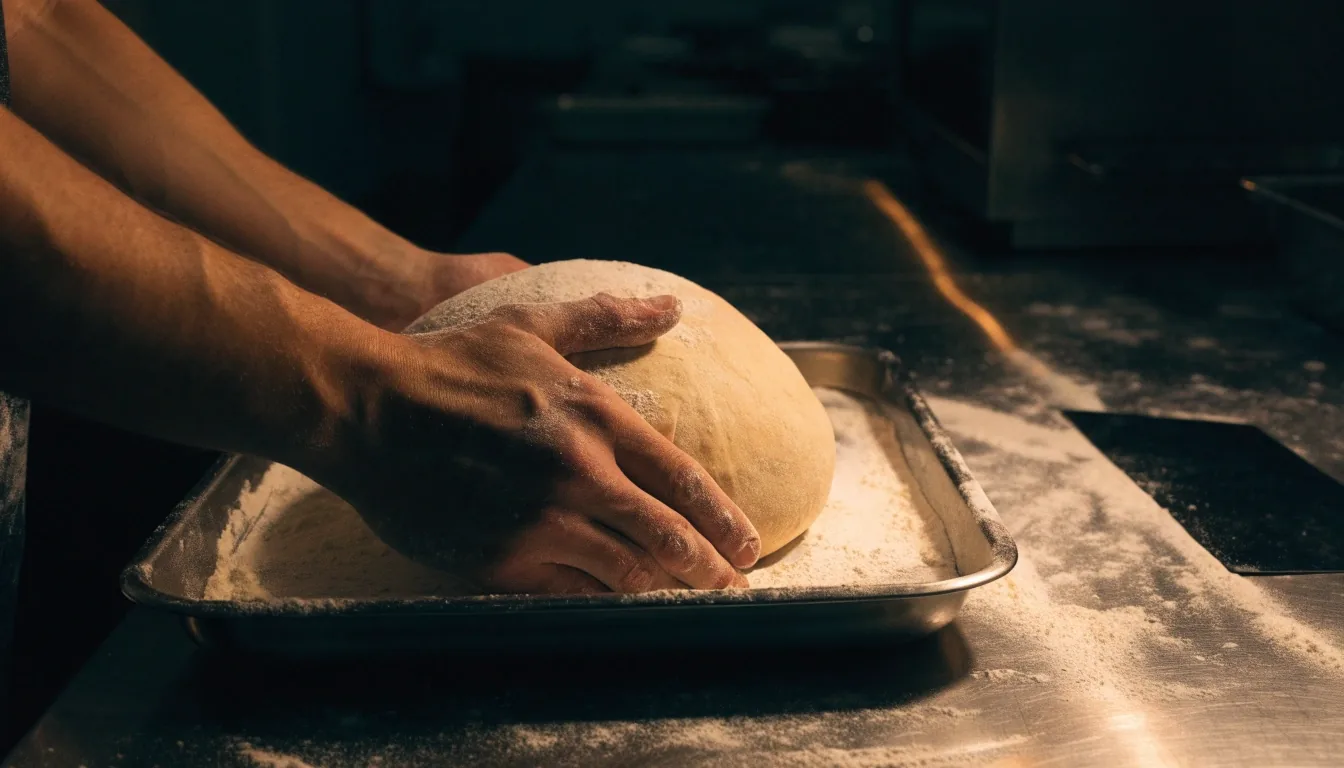
Fresh, in a pizza context, means the dough is made and proofed here on a schedule rather than pulled from a freezer. Sourdough in particular needs time: the dough develops flavour while it rests, and rushing that stage shows up in the texture of the crust. Our kitchen works to that schedule because there is no shortcut that produces the same result.
Toppings are prepped and portioned so they can be applied consistently, even during a Friday night rush. Consistency is the practical definition of quality in a takeaway kitchen — not what a pizza looks like on the best day of the year, but what it looks like on an ordinary one.
Where this shows up on your order
- A base that holds its shape when you pick up a slice, rather than folding in the middle.
- Toppings that stay where they were placed instead of sliding into one corner of the box.
- Even cheese coverage edge to edge, which comes from portioning rather than guesswork.
How dough handling affects the final pizza
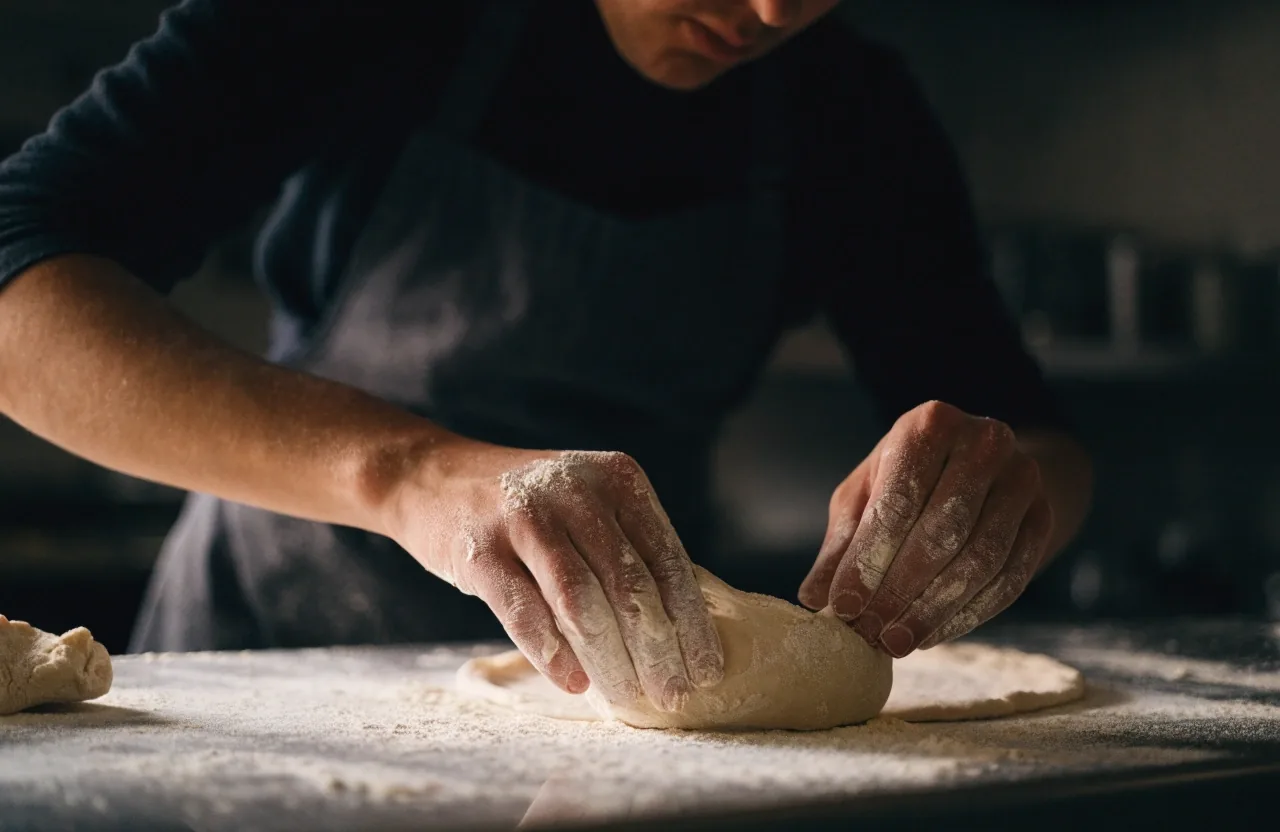
Dough that is overworked turns tough. Dough that is underproofed springs back and refuses to stretch properly. Both problems are visible in the finished base: dense, chewy in the wrong way, or unevenly shaped. The fix is time and technique, not equipment, which is why the proofing schedule is one of the few things in the kitchen that does not get adjusted to save a minute.
This is also why sourdough bases behave differently from the standard ones, and why the base list is not just a set of cosmetic options. Each one is handled slightly differently before it goes into the oven — different resting time, different stretch, different bake.
Croydon branch
142 High Street, Croydon, CR0 1ND, United Kingdom
Kitchen open Mon–Sun, 11:00–23:00.
Phone +44 20 8680 1234
Ask for us by name when the order is recent and a detail matters. Issues raised the same night are far easier to sort than the ones that wait a week.
Topping storage and rotation
Rotation is unglamorous work. It is also the most reliable way to keep a kitchen consistent, so it gets checked rather than assumed. Here is how the different groups are handled.
Meats
Stored at controlled temperature and rotated so older stock is used first. Freshness in cooked meats has a hard limit that no amount of careful handling extends.
Dairy
Cheese and dairy go through the same rotation, checked more often because they sit in the higher-risk group and because a tired cheese is visible on the finished pizza.
Vegetables
Prepped in batches sized to the day's expected volume rather than for a week at once. Smaller batches mean more prep trips, but nothing sits long enough to lose its bite.
Sauces and bases
Portioned so the same scoop goes on every pizza. Portioning also makes shortages obvious before they show up mid-rush, when there is no time to fix them.
Kitchen cleaning routines
Cleaning in a food kitchen is a schedule, not a mood. Surfaces, utensils and equipment are cleaned at set points through the day rather than only at close, because the state of the bench at 7pm decides what the next order tastes like.
Through the shift
Benches, tools and the stretch area are wiped and reset between prep batches, not just between services.
Separate boards
Different prep keeps to its own board and its own knife, so nothing crosses between raw and ready-to-eat work.
Hands
Handwashing between tasks is the boring detail that matters most, and it is checked the same way the ovens are.
Ovens and surroundings
The oven runs hot enough to clear much of what lands on it, but the surfaces around it still need a real clean every day.
Storage for anything that touches food is kept closed and off the floor. It is not the part of the job anyone enjoys, and it is the part that keeps a takeaway sandwich shop standard holding week after week.
Food hygiene ratings explained
Every UK food business is inspected by its local authority and given a hygiene rating. The rating covers how food is handled, the condition of the premises, and how the business manages safety.
It applies to the specific outlet at a specific address, not to a brand across the country. Two branches of the same chain can hold different ratings. That is exactly why the rating is worth checking for the outlet you are actually ordering from rather than assuming it from the name above the door.
How a rating is built
- Food handling
- How food is stored, prepared and protected from cross-contamination during a normal shift.
- Condition of the premises
- The state of the building, the surfaces and the equipment the kitchen works with every day.
- Management of safety
- Whether the branch knows its own routines — records, checks and what happens when something slips.
Search the official food hygiene rating takeaway listings for 142 High Street, Croydon, CR0 1ND to see the current record for this outlet.
How local classification works
Pizza outlets appear on official records under different categories. Some are listed as restaurants or cafes, others as takeaways or sandwich shops. The classification follows how the business operates locally — whether there are seats, how orders are taken, and which inspection regime applies.
That is administrative, not a quality signal. A branch classified as a takeaway can run the same kitchen standards as one classified as a restaurant, and the reverse is true too. If you are comparing outlets, the label tells you how the site is regulated; it does not tell you what happens at the bench.
Packaging and the delivery leg
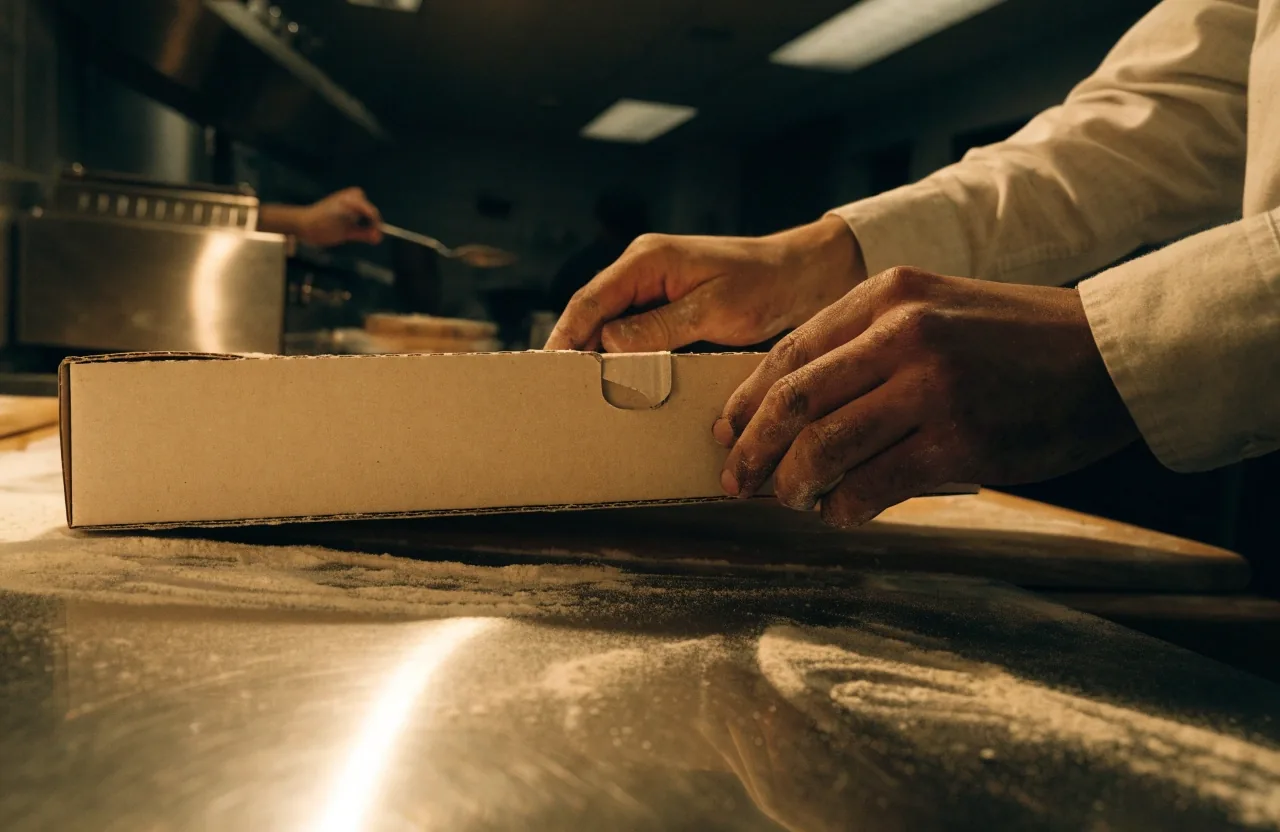
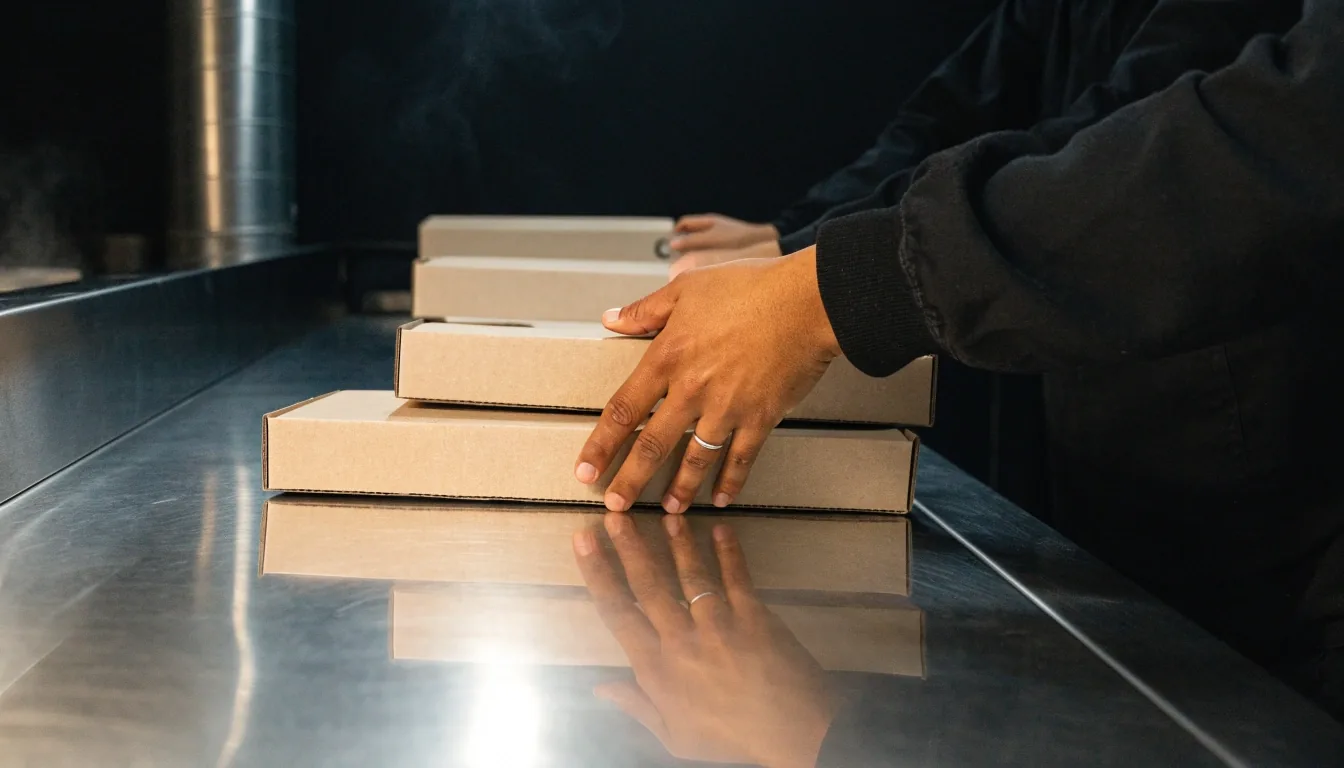
A pizza's quality drops the moment it leaves the oven, and packaging is the only thing slowing that down. Boxes need to vent slightly so steam does not soften the base, while still holding heat. Stacking matters too — a box crushed under others arrives flattened and cold in the middle, whatever the kitchen did right an hour earlier.
For delivery orders, the bag and the route do as much work as the box. That is why proximity to the branch has a bigger effect on quality than most people expect: the same pizza travels differently across two streets and across a borough.
What customers can reasonably check
Nobody can inspect a kitchen from a web page. The useful move is to know which signals are worth reading when you order.
The rating for this outlet
Look up the address, not the brand. The record belongs to the branch you are actually ordering from.
The shop itself
If you collect, the counter, the bench behind it and the state of the frontage are all visible. They are fair evidence.
The pizza in front of you
Even cheese coverage, toppings that stay in place, a base that is not soggy in the centre. Those are fair indicators.
What to do about it
If something is off, tell the branch while the order is recent. Most issues are sorted the same night.
What no one can check from a website is what happened in the kitchen on a specific night. Ratings and visible standards are the best available proxies, and they are genuinely informative — which is the honest reason we point visitors at them instead of asking you to take our word.
Holding standards over time
Anyone can make a good pizza once. The harder part is making the same pizza on a quiet Tuesday and a busy Saturday.
That consistency comes from routines that do not depend on who is on shift, and from a kitchen that treats those routines as fixed rather than optional. It is not a dramatic claim. It is just how a food business stays reliable, and it is the part of running a fresh pizza preparation kitchen that customers never see.
It also shapes small decisions. Prep lists are written so a new starter can follow them. Rotation is checked by a second pair of eyes. Cleaning points are timed to the shift rather than to whoever is free.
Common questions
Short answers to what people ask us most about freshness, ratings and getting a problem fixed.
What is the food hygiene rating for this branch?
Ratings are issued per outlet after a local authority inspection. Check the official rating for 142 High Street, Croydon, CR0 1ND before ordering rather than assuming it from the brand name.
Is the pizza made fresh to order?
Yes. Dough is made and proofed on a schedule here, and pizzas are built and baked when the orders come in rather than held ready in advance.
Do you use sourdough?
Sourdough is one of the base options and it is handled on its own proofing schedule, which is why it has a different texture from the standard bases.
How do you keep toppings fresh?
Toppings are stored at controlled temperatures and rotated so older stock is used first, and vegetables are prepped in day-sized batches rather than for the whole week.
What should I do if there is a problem with my order?
Call the branch directly and quickly on +44 20 8680 1234. Most issues, from a missing item to a pizza that arrived cold, can be sorted on the spot if we know about them straight away.
Reporting a problem
If something is wrong with an order, tell the branch directly and quickly. Most issues, from a missing item to a pizza that arrived cold, can be resolved on the spot if we know about them. Waiting a week and posting about it online helps nobody, least of all you.
Use the phone number if the order is recent and the detail matters — that is the fastest route to the person who was on shift. For anything else, the contact page carries the address, email and opening hours in one place.
Fastest route
+44 20 8680 1234142 High Street, Croydon, CR0 1ND. Kitchen open Mon–Sun, 11:00–23:00.
Contact the branchOrdering from this branch
Fireaway Pizza Croydon runs delivery and collection from 142 High Street. The same kitchen handles both, so the standards above apply to whichever route you take.
If you would rather see the kitchen for yourself, collection is the honest test. If you are ordering for delivery, staying within a short ride of the branch is what keeps the base from softening on the way.